
Why Do Your Eyes Water in Cold Weather? The Surprising Connection to Dry Eye
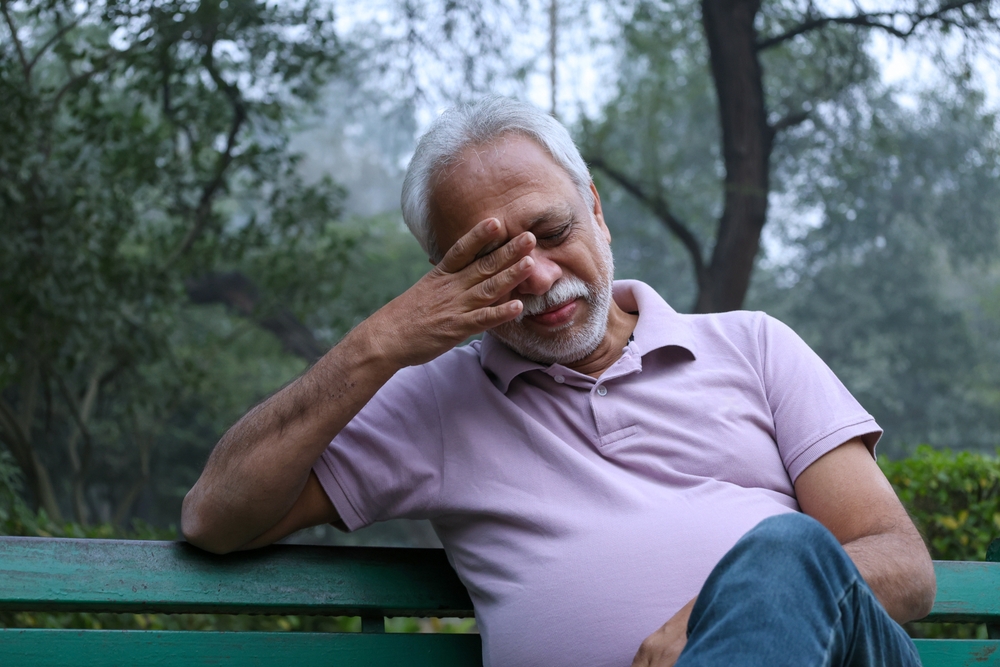
Cold weather in Chappaqua, NY, can bring more than chilly temperatures and dry skin. For many people, it also causes excessive eye watering, irritation, and discomfort. While watery eyes might seem like a sign of too much moisture, they can actually indicate the opposite - dry eye syndrome.
At Foresight Eye Care, we help patients understand why their eyes water during colder months and provide personalized dry eye treatment to improve comfort and protect their eye health.
Why Does Cold Weather Make Your Eyes Water?
Cold air, wind, and low humidity can cause tears to evaporate more quickly from the surface of your eyes. Indoor heating can make the problem worse by reducing moisture in the air.
When your eyes become too dry, they may produce extra tears as a protective response. This is known as reflex tearing. Unfortunately, these tears are often watery and lack the proper balance of oils and other components needed to keep your eyes consistently lubricated.
As a result, your eyes may continue watering even though the underlying problem is dryness.
How Dry Eye Syndrome Causes Excessive Tearing
A healthy tear film contains three important components: oil, water, and mucus. Together, they help maintain moisture, protect the cornea, and support clear vision.
When the tear film becomes unstable, your eyes may experience irritation and inflammation. One common contributor is meibomian gland dysfunction (MGD), which occurs when the oil-producing glands along your eyelids do not function properly.
Without enough oil, tears evaporate too quickly, making cold weather particularly uncomfortable for people with dry eye syndrome.
Signs Your Watery Eyes May Be Caused by Dry Eye
Excessive tearing isn't the only symptom of dry eye. You may also notice:
Burning, stinging, or itching sensations
Redness or irritation after spending time outdoors
A gritty feeling, as though something is in your eye
Blurry or fluctuating vision
Increased sensitivity to wind or light
Discomfort when wearing contact lenses
If these symptoms occur frequently, a comprehensive eye evaluation at our Chappaqua office can help determine whether dry eye is responsible.
How to Prevent Watery Eyes During Cold Weather
Making small adjustments to your daily routine can help reduce winter-related eye irritation.
Wearing wraparound sunglasses outdoors can protect your eyes from cold wind and limit tear evaporation. Using a humidifier indoors can also help maintain moisture levels when your heating system is running.
Artificial tears may provide temporary relief, while taking regular screen breaks and blinking fully can help maintain a healthier tear film.
However, if excessive watering continues despite these changes, professional dry eye treatment may be necessary.
Dry Eye Treatment at Foresight Eye Care in Chappaqua
At Foresight Eye Care, we take a personalized approach to diagnosing and managing dry eye symptoms. During your evaluation, we assess your eye health, discuss your symptoms, and look for factors contributing to tear film instability.
Depending on your needs, we may recommend lubricating eye drops, adjustments to your daily habits, or other appropriate dry eye management options.
For patients experiencing significant dryness or contact lens discomfort, we also offer scleral lenses, which maintain a reservoir of fluid over the cornea and may help improve comfort in suitable patients.
Our goal is to identify the underlying cause of your watery eyes and recommend care that supports lasting eye comfort.
Schedule your dry eye evaluation with Foresight Eye Care in Chappaqua, NY, to find relief from excessive watering and irritation. Visit us at 26 S Greeley Ave, Suite 4, Chappaqua, NY 10514, or call (914) 238-3030 to schedule your appointment.


Contact Info
Hours of Operation
- Monday 10:00am - 5:00pm
- Tuesday 10:00am - 5:00pm
- Wednesday Closed
- Thursday 11:00am - 6:00pm
- Friday Closed
- Saturday 10:00am - 1:00pm
- Sunday Closed
© 2026 Foresight Eye Care. All rights Reserved. Accessibility Statement - Privacy Policy - Sitemap
Powered by:
